
The Foundation (Early 1990s)
One strand of the early London Sunday Scene
Not a single origin story
UK Garage did not begin with one person, one record or one room. It emerged in London in the early to mid-1990s from a mix of influences: US garage and house, British rave culture, jungle, R&B, reggae and dancehall, and the city's pirate radio and club networks.
This article looks at one strand of that story, the London Sunday scene, which is among the better documented early settings for the sound.
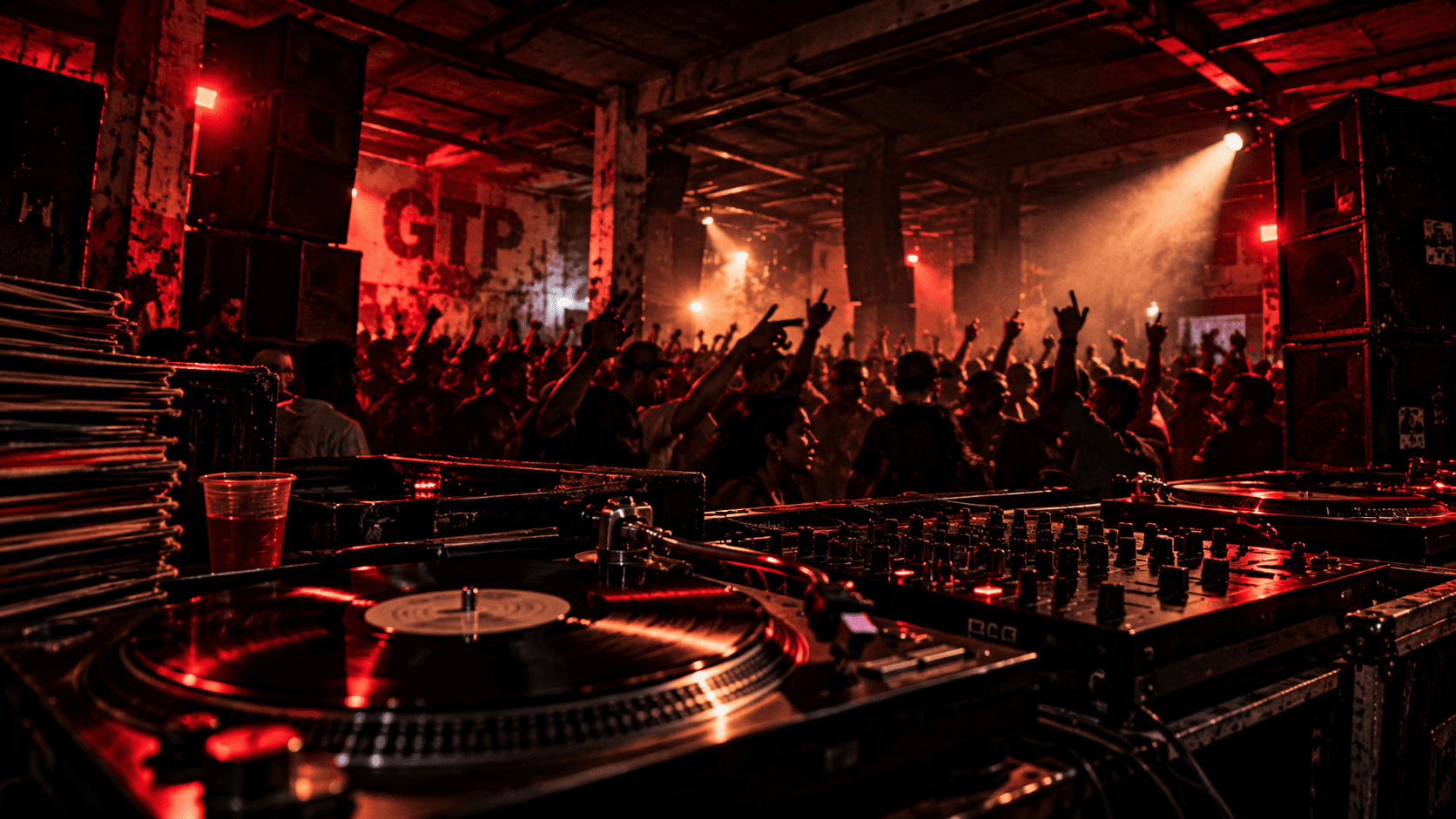
The Sunday scene
Garage was often played on Sundays. Some of the clubbers who had spent the weekend at harder-sounding nights carried on at after-parties, and garage promoters in the early days often found Sunday was when venues were available to them.
The Elephant and Castle pub in south London is one documented venue. A Sunday session called Happy Days began there in 1993, aimed in part at people leaving the nearby Ministry of Sound. Other Sunday venues, such as the Frog and Nightgown, are also mentioned in histories of the period.
A faster take on US records
DJs on this scene often played American house and garage records at a faster tempo than they were made for, favouring instrumental and dub versions that left space for the crowd and suited the energy of the room. In some accounts, DJ EZ speeding up Todd Edwards' music is part of how speed garage took shape.
British producers then began making their own records. Over time those local productions took on their own rhythm, bass weight and vocal style, and the name UK Garage came into use.
Clubs, radio and records
The Sunday scene was one of several overlapping pieces. Pirate radio stations, specialist record shops and independent labels were developing at the same time, and DJs and promoters moved between all of them. Speed garage, and later 2-step, grew out of that mix rather than from any single origin point.
A few records and remixes are often cited as turning points, including the Kelly G mixes of Tina Moore's Never Gonna Let You Go, which became popular with DJs in the mid-1990s. Different people tell the story with different records, which is part of why we avoid naming a definitive first tune.
A community built from the ground up
What many people remember about the early scene is its atmosphere: a mixed crowd, a late-night Sunday timing and a feeling of having found something that was not yet on the radar of the mainstream media.
That grassroots character is hard to measure, and we do not claim more than the sources show. But the idea of community spaces helping a local sound grow is a theme across UK dance music history.
What came next
By the late 1990s, UK Garage had moved from small Sunday sessions into bigger clubs, pirate radio and eventually the charts. Speed garage and 2-step each had their own moment, and the sound continued to evolve into other genres, including grime and dubstep.
The Elephant and Castle Sunday sessions were one early setting among several, and a useful reminder that big scenes often begin in small rooms.
Sources / Further reading
- UK garage — Wikipedia (summarises Guardian, BBC, Red Bull Music Academy and book sources)
More from Culture
Ready to explore the archive?
Explore Archive